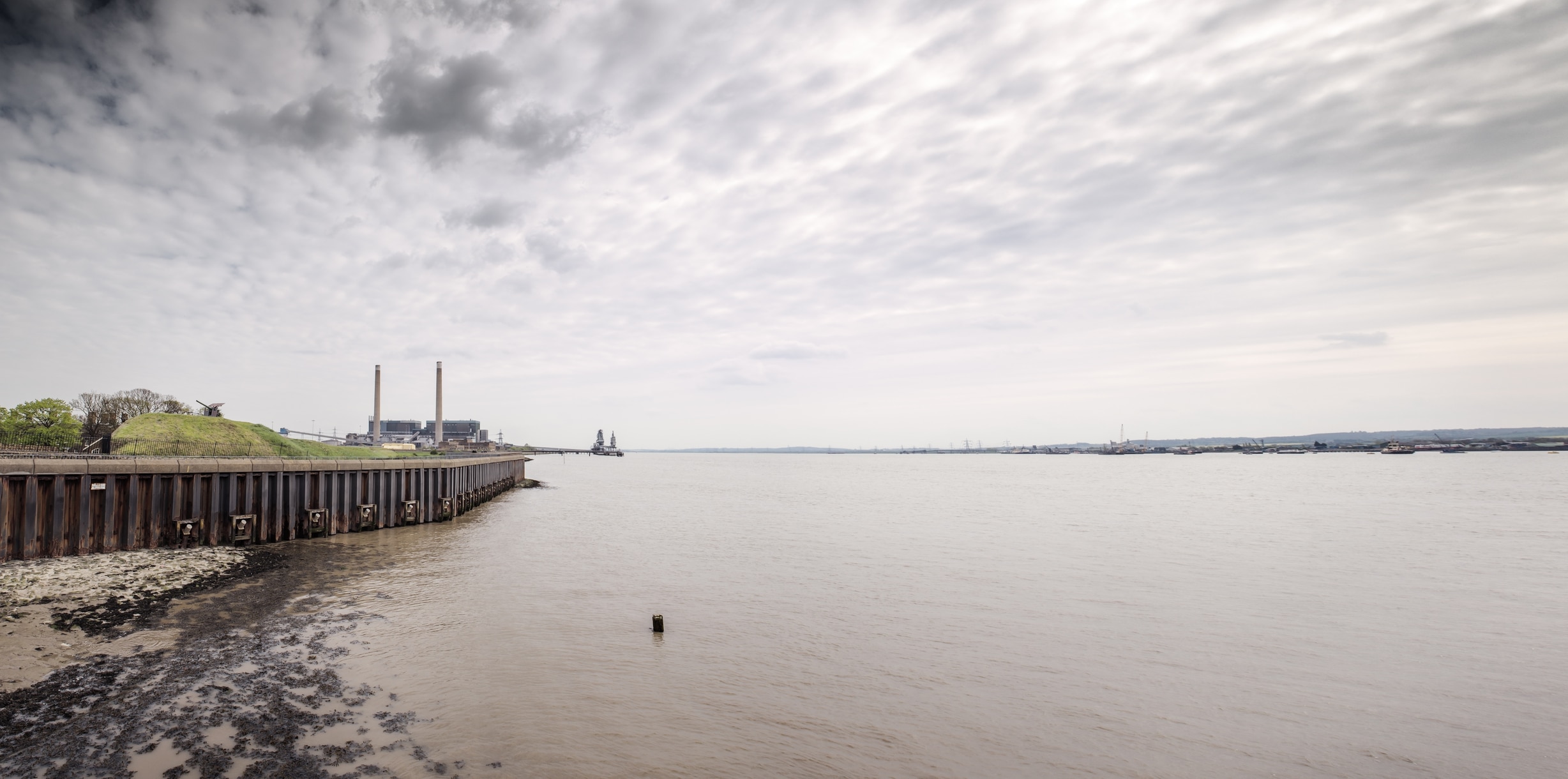
German firm Herrenknecht is supplying the TBM to bore the drives for the UK’s massive Lower Thames Crossing project. Costing up to £11 billion, the crossing will feature twin bore tunnels measuring 4.2km. The entire length of the project, including connecting roads, will stretch 23km.
Biggest ever
Herrenknecht will supply a 16.4m diameter Variable Density TBM for the project, the largest of its kind ever built. The TBM will also benefit from a number of other advanced features. Weighing up to 5,000tonnes, the massive TBM will be around 120m in length and will be delivered to the project site by sea. It will start its first drive at Tilbury in Essex. Once this is complete, the TBM will be turned around and carry out the second drive from the Kent side.
Joint venture
The TBM has been ordered by the Bouygues Travaux Publics Murphy Joint Venture. The partnership has the contract for the tunnel portion of the Lower Thames Crossing project. This massive machine will be the biggest ever manufactured at Herrenknecht’s factory in Schwanau. It has been developed to cope with the challenging ground conditions, which include London Clay and chalk.
Congested crossing
The project is needed as the existing Dartford Crossing, featuring two tunnels and a cable-stayed bridge, is highly congested. The crossing regularly suffers from extensive traffic delays. The new tunnel bores will carry more lanes than the existing tunnels and will cut journey times for drivers. The route carries a high percentage of heavy vehicles travelling to and from the Port of Dover and is a key transport corridor for the UK.
Concern at construction costs climbing
However, the UK’s public spending watchdog has confirmed that it will investigate the cost of the project, which has increased significantly. Even in early 2025, the cost of the project was still expected at around £8 billion but has now jumped to £11 billion. The project is now being managed directly by the UK’s Department for Transport, which took over control from National Highways due in part to concerns over the cost.