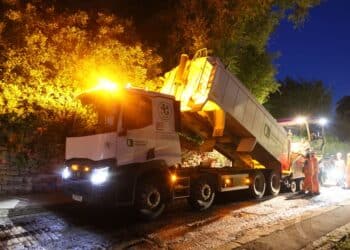
Construction of the new coastal connection for West Africa is costing $16 billion and is vital for economic development of the area. A new regional body, the Abidjan-Lagos Corridor Management Authority, has now been established by the nations in West Africa that will benefit from the project.
Nigeria, Benin Republic, Togo, Ghana and Côte d’Ivoire have all agreed officially on this new body, which is to manage both the construction and running of the new highway. Stretching 1,028km, the highway will feature three lanes in either direction and should be in use by 2030, with various sections under construction at present. This new route will speed international transport between each of the nations, boosting trade and economic development for West Africa, as well as helping to improve political stability for the region.
The cost of construction for the coastal connection has crept up, causing some comment and concern in the various countries. But this has been caused largely by gains in the prices of labour, materials and equipment in the wake of the COVID-19 pandemic. The new West African coastal highway will also link to Nigeria’s own coastal highway, currently being built to link Lagos in the South West with Calabar in the South East, as well as to neighbouring Cameroon.
Meanwhile, funding worth $235 million is being provided by the Islamic Development Bank (IsDB) Group for a road project in Côte d’Ivoire. This will help with the building of the highway corridor connecting Abidjan to the borders of Burkina Faso and Mali. The funding package will pay for work to the 60km stretch between Tafiré and Ferkessédougou. The project will provide another international link for Côte d’Ivoire, connecting landlocked Mali and Burkina Faso to the Autonomous Port of Abidjan as well as to the new West African coastal highway.