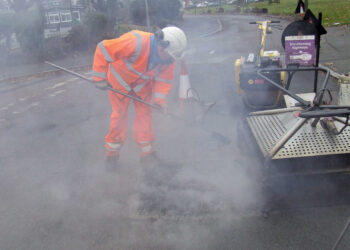
The use of low‑temperature asphalt is gaining importance worldwide. Reduced emissions, lower energy consumption during asphalt production, and improved working conditions on the jobsite make these mixes an increasingly attractive option for contractors and road authorities alike. At the same time, laying and compacting asphalt at reduced temperatures introduces new technical challenges. Success depends on a well‑coordinated process chain – from mix production to paving, pre-compaction and final compaction.
Ammann addresses these requirements with a holistic approach. By combining intelligent machines, digital assistance systems and connected technologies, Ammann offers solutions that support the safe, reproducible use of low‑temperature asphalt from the plant to the finished road surface.
New Challenges with Low‑Temperature Asphalt
Compared to conventional hot‑mix asphalt, low‑temperature asphalt significantly changes the time–temperature balance during paving operations. Often, the temperature of low-temperature asphalt is reduced even further than can be compensated for by special processes. This results in a narrower compaction window, whilst generally increasing demands on evenness, interlayer adhesion and final density.
Even small temperature losses during transport, paving or waiting times can negatively affect compactability and long‑term pavement performance.
External factors such as weather conditions, ground temperature and transport logistics have a greater impact than they do with traditional mixes. To ensure consistent quality under these conditions, reliable data, transparent processes and intelligent operator support are essential.
A Holistic Process Perspective by Ammann
Ammann does not view road construction as a sequence of isolated machines, but as an integrated, data‑driven process. Under the concept of the Connected Worksite, individual construction stages are linked together – from asphalt production through paving and compaction to final documentation.
This approach is particularly valuable when working with low‑temperature asphalt. Digital assistance systems provide real‑time support, reduce reliance on individual experience levels, and enable informed decisions based on objective process data.
Intelligent Paving with PavePilot: Transparency in Real Time
A key component in the paving process is PavePilot, the digital assistance system integrated into ABG pavers. PavePilot is developed to address the many variables crews face every day on paving projects – and these variables become even more critical when working with low‑temperature asphalt.
The system continuously records and visualizes relevant process data during paving. One of its most important features is thermal mapping. The surface temperature of the asphalt directly behind the screed is continuously monitored, allowing cold spots to be identified immediately. Corrective actions can be taken before compaction quality is affected.
Temperature Trends Instead of Isolated Readings
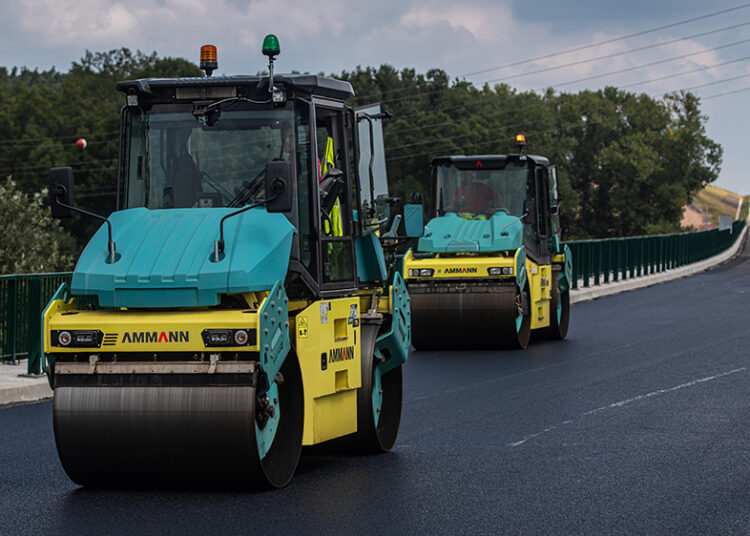
One of PavePilot’s key advantages is its focus on temperature trends over longer paving sections. Rather than limiting analysis to single measurement points, the system evaluates temperature behavior over 50‑, 100‑ or 200‑metre sections. This broader view helps contractors better understand overall process stability and identify recurring problem areas.
For low‑temperature asphalt, where tolerances are narrower, this level of transparency plays a major role in quality assurance. Adjustments to paving speed, logistics or process parameters can be made proactively – before quality issues arise.
Integrated Processes with Q Site
PavePilot is part of a digital ecosystem. When combined with the Q Site construction process platform, all paving data is stored, visualized and analyzed in a central system. Transport information, delivery volumes, batch assignments and paving data are linked together and made documented both on the jobsite and in the office.
For contractors, this level of documentation provides a significant advantage. Especially for low‑temperature asphalt projects, measurable, traceable quality data helps demonstrate performance, supports claims prevention and increases transparency for clients and authorities.
Optimised Screed Technology for Low Temperature Asphalt
ABG pavers play a crucial role in achieving high paving quality when working with low temperature asphalt. They can be equipped with the most suitable screed technology for these sensitive mixes: the Double Tamper screed. This configuration is specifically designed to deliver exceptionally high and stable pre compaction levels, reaching 96–98% directly behind the screed. Such high pre compaction is a key advantage when asphalt temperatures are reduced, and the available compaction window is shorter.
Unlike conventional designs, the Double Tamper system features a second tamper bar positioned in front of the screed plates, not behind them. This unique arrangement allows the material to be compacted more deeply and more effectively at a stage when the asphalt is still warm enough to respond optimally to compaction energy. The result is a true, deeper pre compaction that improves layer stability, reduces temperature sensitivity during subsequent compaction, and supports uniform density across the entire paved width. For low temperature asphalt, this screed technology creates the ideal foundation for reliable, high quality final compaction by prolonging the compaction window behind the screed.
Reliable Compaction with ACEpro
Once paving is completed, the final quality of the asphalt layer depends on correct compaction. With lower asphalt temperatures, the available time window is very short, and the risk of over‑ or under‑compaction increases if vibration parameters are not precisely controlled.
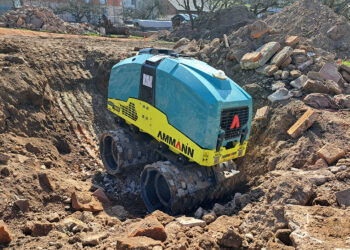
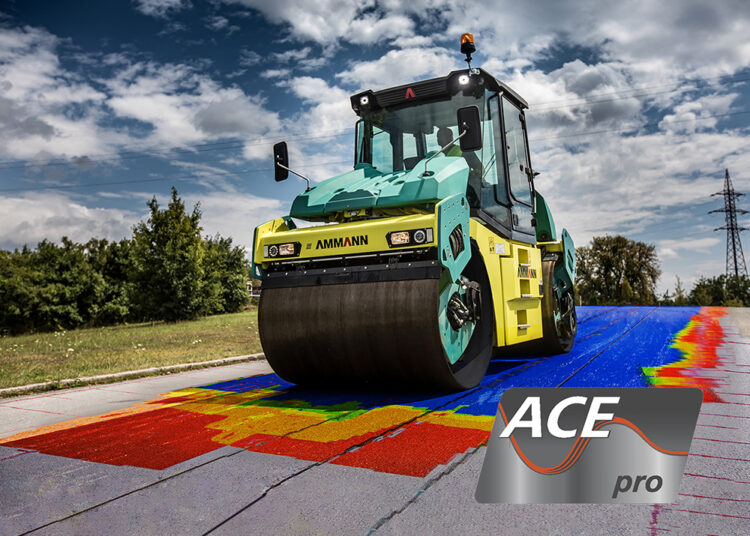
This is where ACEpro, Ammann’s intelligent compaction system, comes into play. ACEpro is the latest evolution of the proven Ammann Compaction Expert and was specifically developed to support operators under demanding site conditions. The system continuously assesses the stiffness of the material and automatically adjusts frequency and amplitude to match current conditions. This ensures the optimal amount of compaction energy is delivered at all times, without unnecessary passes or damage to the asphalt structure.
Operator‑Friendly and Highly Precise
ACEpro is fully integrated into the roller’s main display, eliminating the need for additional screens. The clean, intuitive interface allows operators to track compaction progress immediately. Multiple operating modes – from fully automatic to manual – accommodate different experience levels and jobsite requirements.
ADS Records Key Compaction Data for Analysis
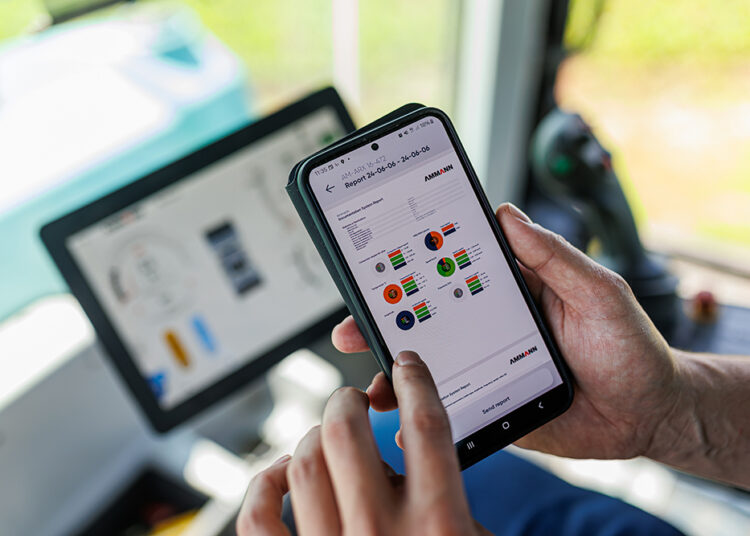
Ammann Documentation System (ADS) records data that is measured by Ammann’s proprietary ACEpro Intelligent Compaction system. ADS tracks machine passes and compaction progress with GPS positioning. Each individual roller pass shows the achieved material stiffness (kB value), temperature, roller speed and effective amplitude and frequency. It also displays (and records) the date, time and place of the compaction.
When working with low‑temperature asphalt, this intelligent support is a critical advantage. Automatic regulation and reduces the risk of incorrect compaction, ensures uniform results, and helps achieve the required density before the compaction window closes. At the same time, ADS efficiently records all these data.
When Systems Work Together
The real strength of Ammann’s solutions lies in their interaction. During paving with a screed matching the challenges, PavePilot provides detailed, real‑time information on temperature development and process stability. ACEpro continues this data‑driven approach during compaction by adapting compaction energy to the actual material response. Ammann Documentation System (ADS) captures jobsite compaction data for further analysis that leads to improved efficiency and quality control.
Together, these systems create a continuous, seamlessly coordinated process tailored to the specific requirements of low‑temperature asphalt. Potential risks are identified early, adjustments are made in time, and consistent pavement quality is reliably achieved.
Value for Contractors and Clients
For contractors, this integrated approach delivers clear benefits:
• higher and more consistent paving and compaction quality
• reduced energy consumption and material waste
• fewer corrective measures and rework
• comprehensive process documentation
• improved efficiency and profitability
Clients and road authorities benefit from durable pavements, transparent quality verification and reproducible results – increasingly important factors in sustainability‑focused infrastructure projects.
Conclusion: Making Low‑Temperature Asphalt Work
Low‑temperature asphalt offers significant environmental and economic advantages, but only when applied within a well‑controlled process environment. Success depends on precise coordination across the full construction chain.
With digital assistance systems such as PavePilot, optimized double tamper screed technology, intelligent compaction technology like ACEpro, ADS and the Connected Worksite concept, Ammann provides a comprehensive portfolio of solutions that make low‑temperature asphalt paving reliable, efficient and measurable – from the mixing plant to the finished road.
Content produced in association with Ammann