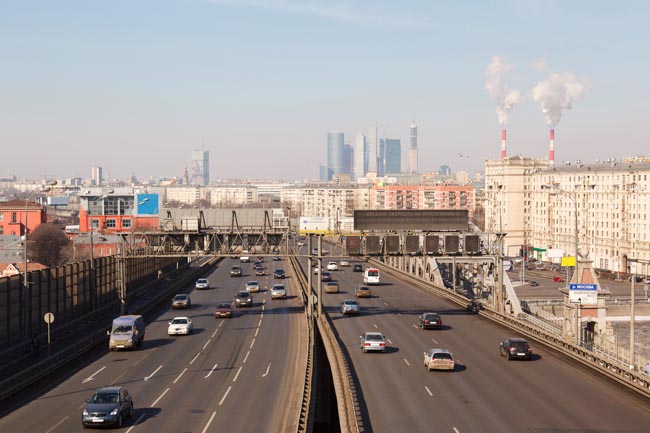
Russia has approved a new state programme for the development of its high-speed road network – Eugene Gerden reports
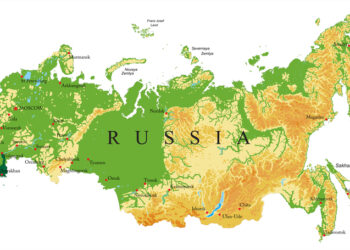
The Russian government has officially approved a new state programme, which is aimed at developing the federal high-speed road network in the country. This programme will run until 2030, according to recent statements by the official state press-service.
According to some leading Russian experts in the roadbuilding sector, the need to implement these plans is acute. At present the total length of the high-speed road network in Russia is estimated at only 5,000km. Given the vast area that Russia covers, this is a very small figure.
The situation is complicated however by the fact that sections of Russia’s high-speed roads do not form a unified network. At present most of the high-speed road infrastructure in Russia connects with the seaports of the North-West and Southern basins of the country. However, further development of Russia’s high-speed roads will broaden the network across the country.
According to Evgeny Ditrich, an official spokesman of the Russian Ministry of Transport, Russia is basing its plans on experience from China. The construction of China’s high-speed road network commenced around 2000 and has resulted in the country’s national GDP growing by almost 7%.
As part of Russia’s plans, the bulk of the construction works for the new road building programme will be carried out from 2020-2030.
Russia’s state infrastructure and highway service company, Avtodor Corporation, will be directly responsible for implementing the project.
According to the plans, there will be a focus on building high-speed roads to link with Russia’s eastern seaports during the initial stages of the project. This will involve building high-speed highways in Russia’s Volga and Ural regions, as well as extending these routes into Siberia.
According to Avtodor’s deputy chairman, Alexander Nosov, the development of the high-speed road network will be based on the matrix principle. Nosov says that this will allow urban areas in Russia with populations of more than a million people to be connected by the shortest routes. All of these roads will run around the outside of the cities however.
Nosov commented that Russia’s largest urban areas are also where the traffic volumes are at their largest. He said that to maximise transport efficiency, these will be the areas that will benefit from the new high-speed road network. This programme of high-speed road development will expand the total network to 20,000km and will cost 7 trillion rubles (US$103 billion) according to Nosov.
The majority of funds for these projects will be paid for by the Russian federal budget, and a significant percentage of this sum will be provided by private investors.
According to assessments by the Russian Ministry of Transport, the country’s economy is affected negatively by the lack of high-speed roads and by poor quality routes. This represents a drain on Russia’s economy of 2-3% according to estimates. Meanwhile, around one-third of Russia’s roads are carrying higher traffic volumes than they were designed for.
The present high-speed road network in Russia ensures that most of the heavy truck transport is focussed on the Moscow region.
In addition, this new strategy for road development will help deliver a significant improvement in safety for domestic roads. According to predictions, the new road strategy should help ensure that the number of road crash fatalities in Russia should drop from 13.7/100,000 at present to 7/100,000 of population during the 2020s. Meanwhile the average speed of cargo delivery on local highways will also nearly double.
As for funding the new programme, Rosavtodor’s experts believe the Federal Budget will be stretched to provide the necessary financing. This is mainly due to the complex situation with regard to the Russian economy. As a result, particular attention will have to be paid to design schemes that will attract the participation of private business.
According to Rosavtodor, allocating subsidies from the federal budget to private investors participating in the projects could prove beneficial.
These subsidies could be obtained from the mandatory fees for the use of toll roads in the country and other fees from the use of the road infrastructure in Russia.
To date, the development of high-speed roads in Russia has been carried out at a slowe pace. According to Avtodor Group, from 2009 to 2015 only 600km of high-speed roads were built in the country. Instead, the Russian Government preferred to focus on other issues in the field of road development, such as traffic safety and improving the quality of roadbuilding.
Amongst the largest high-speed road projects implemented in Russia in recent years include building the bridge across the Don in the Rostov region, as well as high-speed road sections on the Ural, Ussuri, Vilyui, Baikal, Lena, Sortavala and Narva highways.