British Columbia is terminating its deal with Cross Fraser Partnership, a design-build consortium, to replace the George Massey Tunnel under the Fraser River near Vancouver.
According to the BC transportation ministry, the province could not reach agreement with the consortium on financial terms for final construction of the eight-lane immersed-tube tunnel.
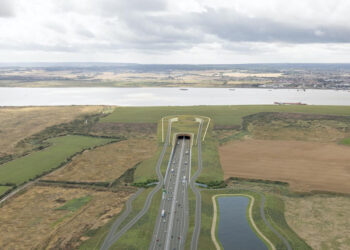
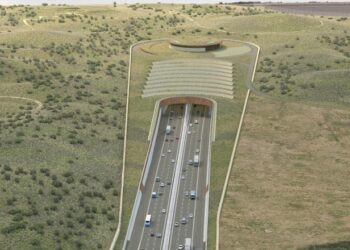
When completed by 2030, according to government information, the tunnel will connect the cities of Delta and Richmond at a cost of around US$2.97 billion – and be toll-free.
The ministry says will retender the work with a procurement strategy aimed at strengthening competition and allowing for more local contracts. The revised strategy would divide the remaining work into several packages, allowing a broader range of qualified firms to bid on portions of the project.
The project previously went to market in 2023 as a single, large progressive-design-build procurement. The new tunnel will be built parallel to, and just upstream, from the existing 629m-long four-lane Massey Tunnel that was opened in 1959. It was the first project in North America to use immersed tube technology and remains Canada’s only tunnel below sea level and now carries more than its design limit of 80,000 vehicles a day. Extensive renovations to the tunnel and attempts to improve access roads have been done over the years, but the structure has only about 10 years of useful life, according to some reports.
Cross Fraser Partnership is an equal-parts consortium of major Canadian and international construction and engineering firms. It consists of Pomerleau BC, Bouygues Construction Canada and Fomento de Construcciones y Contratas Canada (FCC) and is supported by design and engineering consultant Arcadis.
A recent government statement said that since September 2024, the province has been working with Cross Fraser Partnership under a design and early works agreement to advance project design, technical studies and early construction activities while working toward a potential final construction agreement.
“While significant progress has been made on design and current construction work, agreement on the commercial terms for final construction of the tunnel was not reached. “As a result, [BC] government is exercising a termination option that was built into the process, which will allow the province to retender this work to seek the best value.”
The revised procurement strategy will divide the remaining work into several procurement packages, allowing a broader range of qualified firms to bid on portions of the project. BC used a similar approach on the Surrey Langley SkyTrain project and the Fraser Valley Highway 1 Corridor Improvement Programme. It divided the work into multiple contracts which “helped strengthen competition, improve flexibility and support local companies”.
As a first step, requests for qualifications will be issued to identify qualified proponents for key phases of the project. The ministry said that “industry engagement, including discussions with international, Canadian and local contractors, confirmed strong market interest in the revised approach, including from British Columbia companies”.
Construction activity on the project will continue while procurement for future phases is underway. Design work, technical investigations, utility co-ordination and other early works completed will continue to support project delivery.
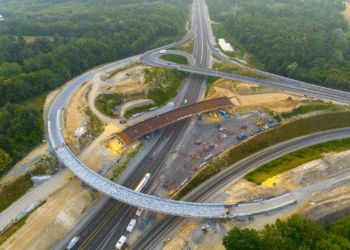
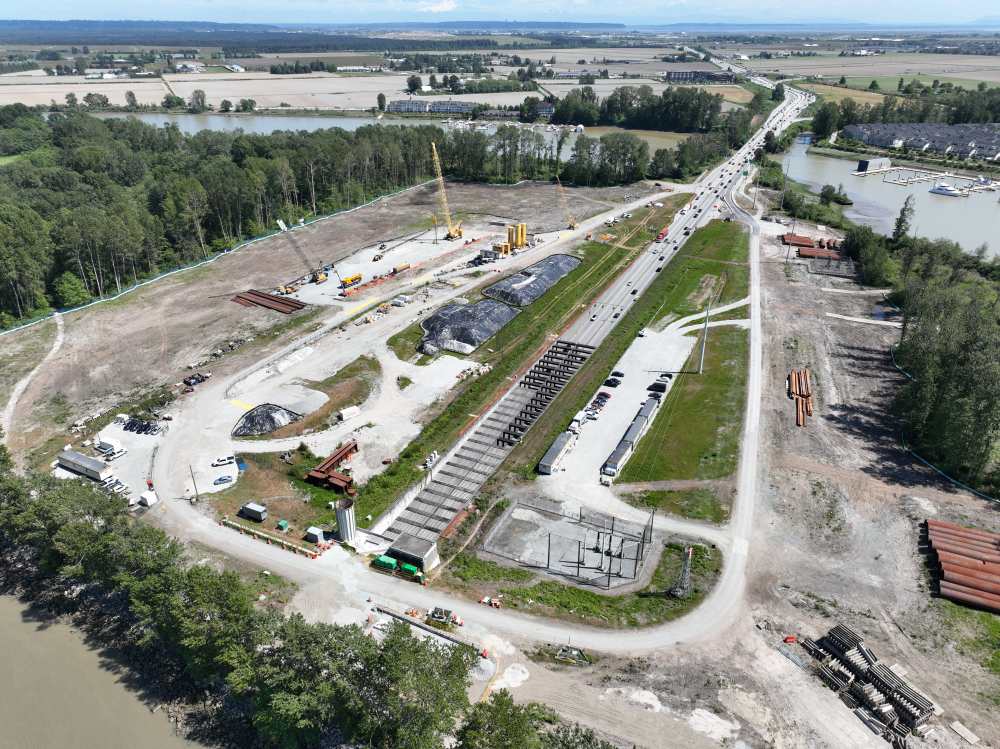
Early construction work started in January 2026, including tree clearing, utility relocations and preparation for the construction of a casting basin. Temporary infrastructure construction is also underway, including the construction of three jetties for the delivery of materials, a trestle bridge onto Deas Island, access roads and retaining walls for the casting basin on Deas Island, creating around 200 jobs this year.
The province expects the Environmental Assessment Office to complete its review of the project before the end of this year for major construction work to start in 2027.
Meanwhile, Mike Farnworth, BC’s minister of transportation and transit, said the province remains in talks with the federal government in Ottawa about financial support for the project.
More information is available on the website for the project by clicking here.