• About
  • Advertise
  • Contact
Thursday, July 16, 2026
Newsletter
Global Highways
  • News
  • Products
  • Features
  • Categories
    • Asphalt Milling, Paving & Compaction
    • Concrete Milling, Paving & Compaction
    • Connected Construction
    • Earthmoving & Soil Compaction
    • Engines, Components & Tyres
    • Finance & Funding
    • Highway & Network Management
    • Maintenance
    • Materials
    • Recycling
    • Road Markings, Barriers & Workzone Protection
    • Road Structures
  • Events
    • Events Calendar
    • CONEXPO-CON/AGG 2026
    • Intertraffic Amsterdam 2026
    • bauma 2025
  • Latest Magazine
  • Videos
No Results
View All Results
  • News
  • Products
  • Features
  • Categories
    • Asphalt Milling, Paving & Compaction
    • Concrete Milling, Paving & Compaction
    • Connected Construction
    • Earthmoving & Soil Compaction
    • Engines, Components & Tyres
    • Finance & Funding
    • Highway & Network Management
    • Maintenance
    • Materials
    • Recycling
    • Road Markings, Barriers & Workzone Protection
    • Road Structures
  • Events
    • Events Calendar
    • CONEXPO-CON/AGG 2026
    • Intertraffic Amsterdam 2026
    • bauma 2025
  • Latest Magazine
  • Videos
No Results
View All Results
Home News IRF releases policy guidelines on safety in road work zones

IRF releases policy guidelines on safety in road work zones

The International Road Federation (IRF Global) has published policy guidelines in an effort to draw attention to the urgent need for coordinated efforts to foster a safety culture on road construction sites. Accidents on road construction sites are responsible for hundreds of thousands of injuries and thousands of deaths worldwide. Work zones present an increased risk for workers who build, repair and maintain roads, bridges and tunnels, as well as for a variety of road users, including pedestrians, bicy

by Sarah Biswell
April 10, 2018
in News
Reading Time: 3 mins read
A A
May 2018 - US-IRFsafetypolicy.jpg

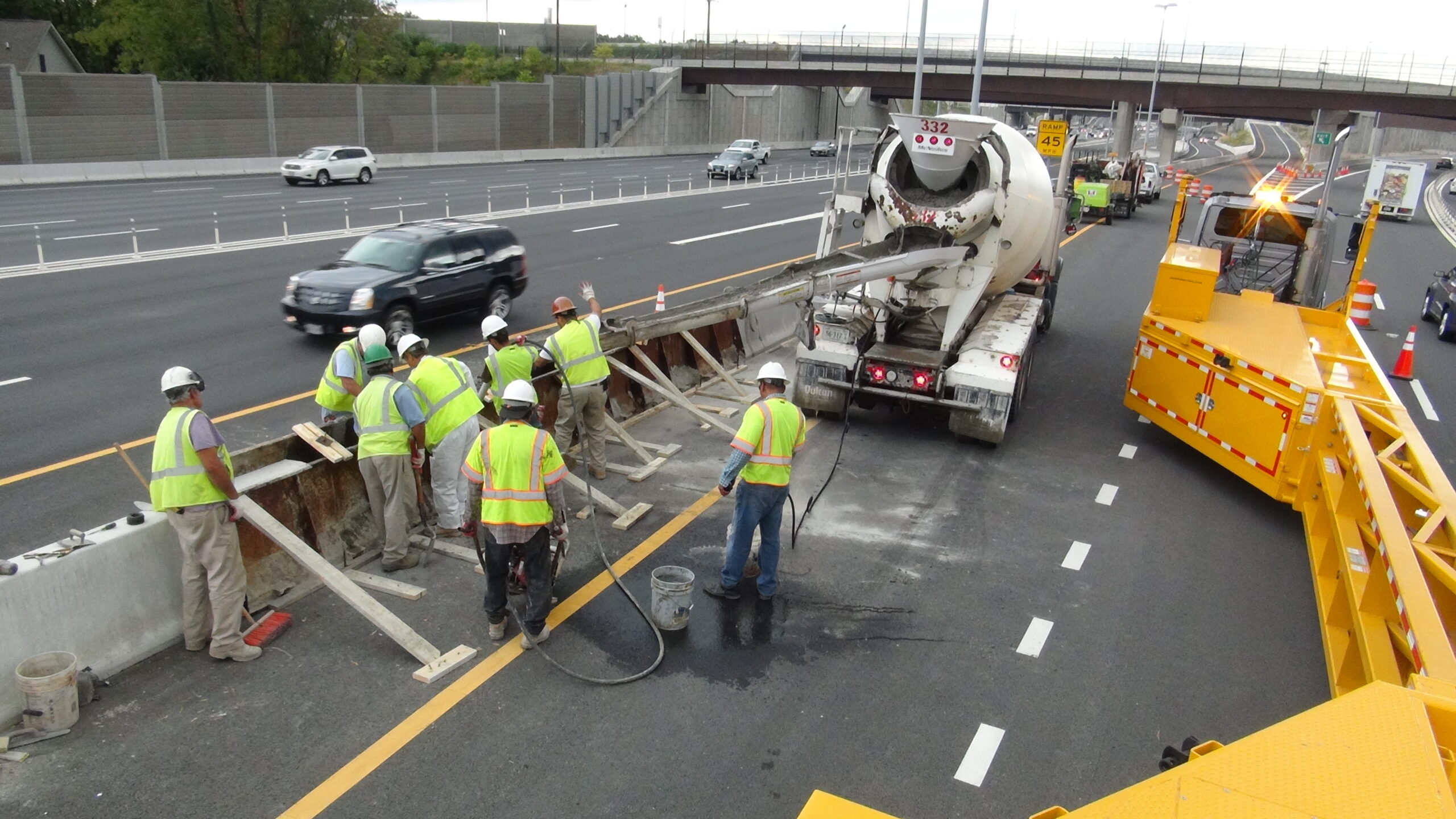
Safety is paramount (photo courtesy Mobile Barriers)

The International Road Federation ( IRF Global) has published policy guidelines in an effort to draw attention to the urgent need for coordinated efforts to foster a safety culture on road construction sites.

Accidents on road construction sites are responsible for hundreds of thousands of injuries and thousands of deaths worldwide. Work zones present an increased risk for workers who build, repair and maintain roads, bridges and tunnels, as well as for a variety of road users, including pedestrians, bicyclists and motorcyclists who are confronted with less-than-ideal safety conditions in work zones.

In an effort to tackle the unacceptable rate of work zone injuries, the IRF is releasing a policy statement – Mandating Safer Work Zones Globally. It covers the establishment of national guidelines, the selection and use of temporary traffic control devices, work zone inspections and the need to invest in strengthening skills within public agencies and the contracting community.

Global statistics on work zone-related injuries are not available but the US Federal Highway Administration reported 25,485 of work zone crashes involving at least one injured party in 2015. Of these crashes, 642 resulted in at least one fatality.

These figures suggest that at the global level hundreds of thousands of injuries and thousands of fatalities occur every year in work zones. This represents a very serious safety concern for the road community, particularly across the developing world where an abundance of road rehabilitation projects have not been accompanied by commensurate efforts and investments to foster a culture of safe road construction.

“Infrastructure is aging across the globe and must be maintained to preserve its value,” said Chris Sanders, Lindsay Transportation Solutions and Chairman of the IRF Road Safety Committee. “However, these work zones offer much more dangerous driving conditions and increase danger to workers and motorists. Solutions exist, but their use is hindered without comprehensive policies and consistent implementation.”

“Countermeasures that are proven to improve safety and mobility are minimal investments when weighed against the total cost of most projects,” said Pete Johnston of 3M and chairman of the IRF temporary traffic control subcommittee.

“To insure effective and sustainable temporary traffic control set-ups, authorities should include provisions in their national guidelines that mandate traffic control plan implementation, and that traffic control plans need to be part of the budget and funded,” said Johnston.

“IRF’s advocacy work furthers our global mission to unite all road stakeholders around a consistent vision,” said IRF chairman Abdullah Al-Mogbel. “This latest policy statement underscores the need to set ambitious road safety requirements at all stages of road design, construction and operation.”

The IRF policy statement Mandating Safer Work Zones Globally may be downloaded from the IRF website.

The publication coincides with the start of National Work Zone Safety Awareness Week in the US. The event is an annual spring campaign held at the start of construction season to encourage safe driving through highway work zones. The key message is for drivers to use extra caution in work zones.

Promoted Content Header
IRF Global Federal Highway Administration Lindsay

Related Posts

A new highway link connects Basrah in Iraq with Faw Port – (image: Dynamoland/Dreamstime.com)

Key Iraq highway link complete

by Mike Woof
July 15, 2026

A key stage of the $17 billion road link between Iraq and Turkey is complete

A new stretch of road in the Czech Republic will improve traffic flow around the capital Prague – (image: Micka/Dreamstime.com)

23 bridges for Czech highway project

by MJ woof
July 14, 2026

A new highway in the Czech Republic is benefiting from the construction of 23 bridges

Subsidence stemming from climate change presents a major risk to key infrastructure – (image: Prime Global Publishing)

Subsidence from climate change threatens key infrastructure

by Mike Woof
July 14, 2026

Climate change is causing subsidence and threatening key infrastructure

Join our newsletter

The mission of Global Highways is to cover the latest technologies and best practices in all areas of road, bridge and tunnel construction and maintenance, as well as their safe operation and management.

Subscribe to our newsletter

About Us

  • About Us
  • Advertise
  • Contact
  • Terms & Conditions
  • Privacy Collection Notice
  • Privacy Policy

Popular Topics

  • News
  • Features
  • Products
  • Videos
  • Events
  • CONEXPO-CON/AGG 2026
  • Intertraffic Amsterdam 2026
  • bauma 2025

© 2026 All Rights Reserved. All content published on this site is the property of Prime Creative Media. Unauthorised reproduction is prohibited

No Results
View All Results
NEWSLETTER
  • News
  • Products
  • Features
  • Categories
    • Asphalt Milling, Paving & Compaction
    • Concrete Milling, Paving & Compaction
    • Connected Construction
    • Earthmoving & Soil Compaction
    • Engines, Components & Tyres
    • Finance & Funding
    • Highway & Network Management
    • Maintenance
    • Materials
    • Recycling
    • Road Markings, Barriers & Workzone Protection
    • Road Structures
  • Events
    • Events Calendar
    • CONEXPO-CON/AGG
    • Intertraffic Amsterdam 2026
    • bauma 2022
  • Latest Magazine
  • Videos
  • About
  • Advertise
  • Contact

© 2026 All Rights Reserved. All content published on this site is the property of Prime Creative Media. Unauthorised reproduction is prohibited