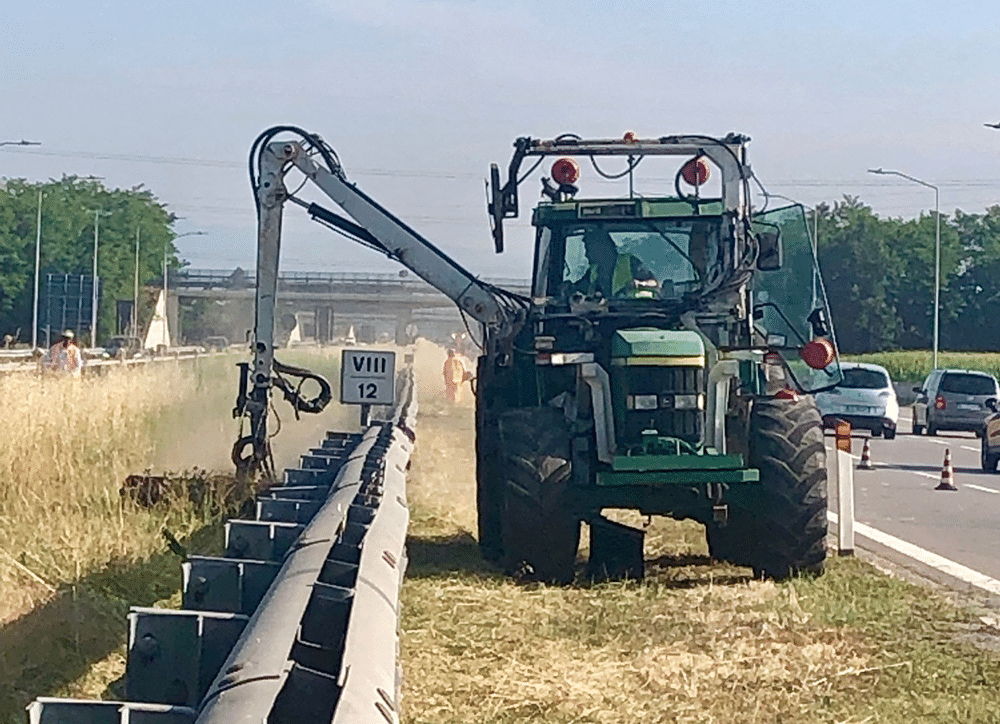
Today, more than ever, climate change is a cause for concern, due to the intensity and the speed with which it is taking place compared to the past. The scientific community is especially concerned about the low resilience of ecosystems caused by the fragmentation of natural habitats, but also by the extensive human activity over the past decades.
Both of these factors can make it difficult for species to adapt to changes and migrate towards more suitable territories. It is well known that coinciding with climate changes many animal and plant species have migrated to other areas, and in many cases some of them have become extinct.
Climate change has a significant influence on biological diversity, and it causes profound modifications in the structure and functions of ecosystems.
Global warming is probably the most pervasive threat among those currently identified as impending on biodiversity, considering that even slight variations in temperature can lead to irreversible transformations and trigger unpredictable phenomena. At a global level in general, and in the Mediterranean area in particular, there are frequent extreme weather events such as torrid and dry summers, violent storms, and floods. These are more frequent and more devastating compared to a few decades ago.
These conditions strongly influence the balance of ecosystems, in particular the physiological processes of plants, both directly, by anticipation of flowering processes or variation of growth rhythm, and indirectly, through the reduction of soil moisture. Furthermore, the increase in temperature through its interaction with long and intense precipitations and with increasingly frequent and severe drought periods, could alter and reduce the photosynthetic performance of plants. This could even have a negative impact on their ability to absorb carbon dioxide.
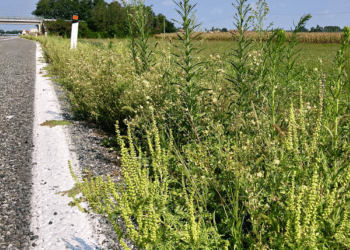
In many parts of Europe native plant species are giving way to typically warm area invasive plants, at a quicker rate than previously estimated. This confirms once again the existence of a direct link between rising temperatures and the change in the composition of vegetation.
Characterised by an uncontrolled spread of non-native species and introduced intentionally or accidentally by humans beyond their natural range, these biological invasions may cause significant damage. This can be seen in terms of economic consequences deriving from an increase in infrastructure management and maintenance costs.
A particularly important aspect concerns the deterioration of bridges, viaducts, overpasses and tunnels on roads and motorways, and of the entire system of transport networks, induced by the root system of certain species, which causes extensive, structural damage. Most of them are invasive and infesting shrub and herbaceous species, whose control requires targeted interventions, which lead to an increase of management and maintenance costs. Among the most widespread species are Ailanthus altissima, Acer negundo, Ligustrum lucidum, Robinia pseudoacacia, Prunus serotinia, Amorpha fruticosa, and Ambrosia artemisiifolia.
Recent years have seen an increased awareness, supported by scientific evidence and by observations made by those who work in the sector, that the first effects of climate change on transport infrastructure are already visible and are expected to increase.
There is therefore a clear need to put in place a strategy aimed at drawing up maintenance plans for infrastructure in general, and for the motorway network in particular. This strategy should incorporate the analysis of the current climate change, in order to define adaptation measures and policies, especially in the scheduling of the interventions, but also introduce latest technologies. This will enable significant adjustments in the adopted working methodology, in the frequency of interventions and in the punctuality with which the maintenance must be carried out.
If correctly and timely performed, such maintenance interventions can significantly reduce the deleterious impact that an aggressive vegetation can have on the state of conservation of road infrastructure. There is also an economic argument to this as proper and timely interventions translate into cost savings. Restoring damaged infrastructure or repairing damages caused to third parties by the inefficiency of the structural elements of infrastructure can in fact turn out to be a lot more expensive.
It is therefore essential to introduce new specific working techniques containing different interventions: for example, the maintenance of green areas is closely related to the maintenance of road hydraulic works, and also to the preservation of fences. Similarly, a different approach to economic assessments for defining an adequate budget for maintenance activities may be the real key for interpreting the perfect fusion between the two currently conflicting requirements. The synergic value clearly emerges from this research: reduction of maintenance costs and environmental protection.
The transport sector is essential for the functioning of society, as it guarantees the movement of people, goods and services. Climate change is having, and will have even more in the future, strong negative impacts on this sector.
Resilience, namely how to help the population, organisations and vulnerable systems to resist, and even to prosper after unpredictable destructive events, is a new but strategic concept to respond promptly to the effects of climate change.