A new report by the European Court of Auditors (ECA) highlights how the construction of Europe’s flagship transport infrastructures has been affected by rising costs and delays. The report is an update of observations and findings from a similar audit performed in 2020.
As a result, the EU auditors have changed their assessment of the 2030 goal for the completion of the core Trans-European Transport Network (TEN-T) from “unlikely to be met” five years ago to a clear “will not be met” now.
Core cross-border transport corridors are crucial for the European economy and the EU auditors have updated the key data and observations from the 2020 special report on the subject. The outlook in 2025 is worse than in 2020, and falls far short of what was envisaged. Since 2020, these megaprojects have faced a series of additional challenges arising from the COVID-19 pandemic and Russia’s war of aggression against Ukraine. New regulatory requirements and unexpected technical issues have also arisen.
“EU transport flagship infrastructures are supposed to reshape Europe, bringing people closer together and facilitating economic activity”, said Annemie Turtelboom, the ECA Member who led this update report. “But three decades after most of them were designed, we are still a long way from cutting the ribbon on these projects, and a long way from achieving the intended improvements in passenger and freight flows across Europe.”
Many megaprojects have been dogged by cost increases. In 2020, the EU auditors reported that the eight examined megaprojects had experienced an overall real cost increase (i.e. net of inflation) of 47%, compared to original estimates. Today, the difference is almost twice as high, at +82%.
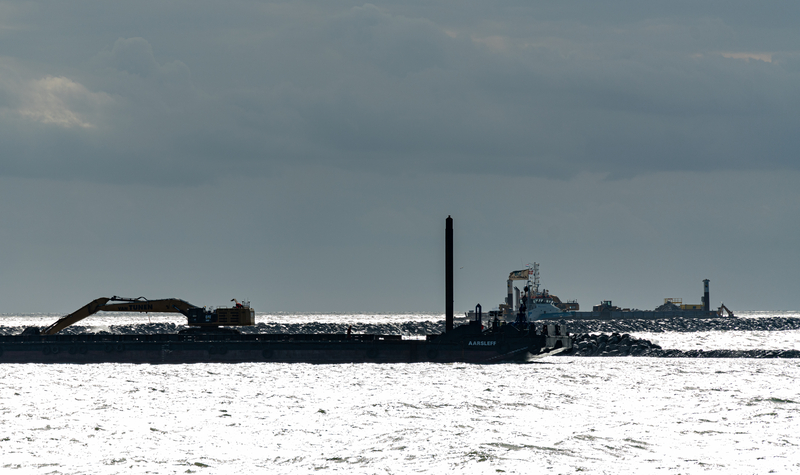
One of the major projects delayed is the 18km Fehmarnbelt crossing, a road and rail link under the Baltic Sea. The tunnel connects the German island of Fehmarn with the Danish island of Lolland. The project was intended to be ready in 2018 but will be delayed. The cost of the work meanwhile has ballooned by over 50%. The project is expected to cost over €7.6 billion just for the tunnel. Further expenditure will be needed to connect the tunnel to road and rail links.