Advanced engine technology is now available for the compact engine sector, with Rehlko claiming to lead the field and aiming to boost its market share. The name, Rehlko, may not be familiar to everyone but offers a well-proven range. A buyout by Platinum Equity has seen the Kohler Engines firm being rebranded as Rehlko, although the commitment to developing new technology remains.
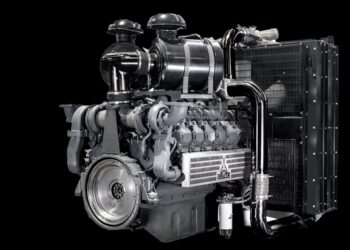
The firm launched its KSD (Kohler Small Diesel) engine series in 2022, setting precedents in terms of technology. The 19kW engine is highly efficient according to the firm and does not require exhaust aftertreatment. Stefano Calzi is in charge of product marketing for diesel engines at Rehlko and said, “The total cost of ownership was a factor when we developed this engine. We bring electronics into this category for the first time in a market where most engines are fully mechanical.”
He said that the 1.4litre engine offers a high-power density, featuring the same profile as comparable 1litre engines. He continued, “Thanks to electronic fuel injection and very precise fuel injection we have 7% lower fuel consumption than mechanical engines as well as the best-in-class torque density.”
The KSD engines offer a lower total cost of ownership than competing units according to the firm, due to extended service and oil change intervals and low fuel consumption. A single specification for these units suits markets such as Stage V for Europe, Tier 4 Final for North America and China IV.
Rehlko recognises that demand is growing for electric construction machines but believes there is still potential for IC engines, particularly those able to run on alternative fuels.
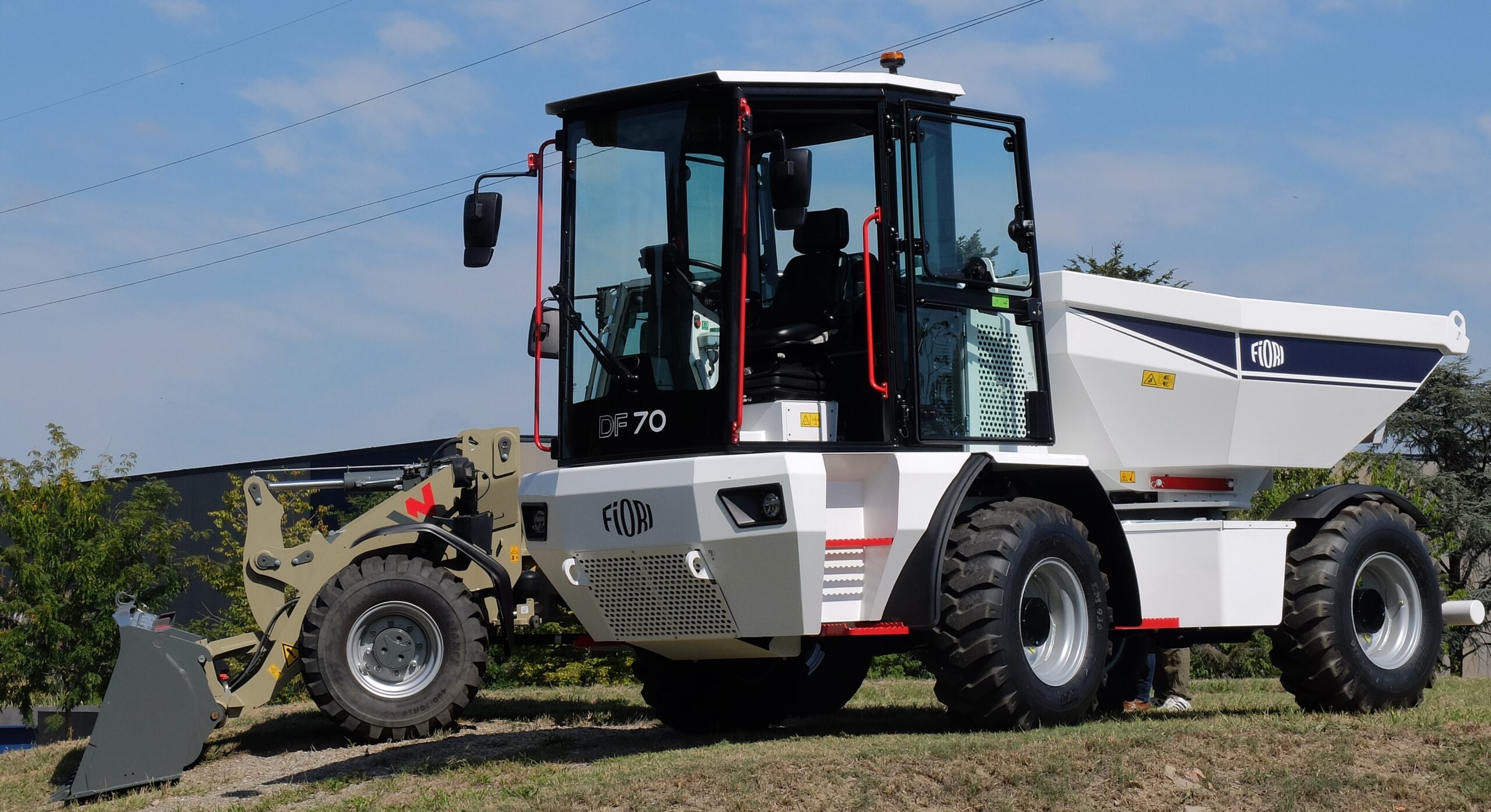
The firm’s latest KDI units meanwhile power new generation construction machines from Fiori and Wacker Neuson. The KDI 2504 TCR has been selected by both OEMs. Fiori uses this in its new rough terrain concrete mixer/dumper chassis, while Wacker Neuson uses the engine in its WL 950 wheeled loader (and its parallel Weidemann model). Both Fiori and Wacker Neuson switched from other engines to using the Rehlko unit.
According to Max Weymann, technical manager at Wacker Neuson, “The engine is a great basis to power a range of machines. “
Weymann said that compact design of the new Rehlko engine made it significantly easier to fit into the chassis for its wheeled loader than the unit used previously. This allowed far better access for maintenance in the engine bay, with grouped service points. The Rehlko engine also uses a smaller radiator and cooling fan, cutting working noise as well as further simplifying the installation. And these engineering benefits were in addition to the reduction in fuel consumption for the previous engine Wacker Neuson had used.”
He Continued, “We have a high commonality of parts between the 1.9litre and 2.5litre engines. The torque and power performance are really optimised.”
The Rehlko engine offers a 4% fuel saving over the engine Wacker Neuson used previously. But this only one of several benefits of the Rehlko unit.
The engine is mounted transversely in the Wacker Neuson loader, which reduces the overhang at the rear of machine and allows better rough terrain performance as well as better visibility to the rear and easier reversing and operation in tight spaces. The crossflow installation means that the engine produces less heat “You can reduce the size of the cooling package. This helps cut the size of the radiator and cooling fan required, simplifying the engine installation further, while also reducing working noise caused by the fan.