
NAPA’s new report, The Carbon Footprint of Asphalt Pavements: A Reference Document for Decarbonization (SIP 109), takes a proactive roadmap for industry and agencies. This can help leverage federal funding in the Infrastructure, Investment, and Jobs Act (IIJA) of 2021, the Inflation Reduction Act (IRA) of 2022, and other programs to reduce greenhouse gas (GHG) emissions.
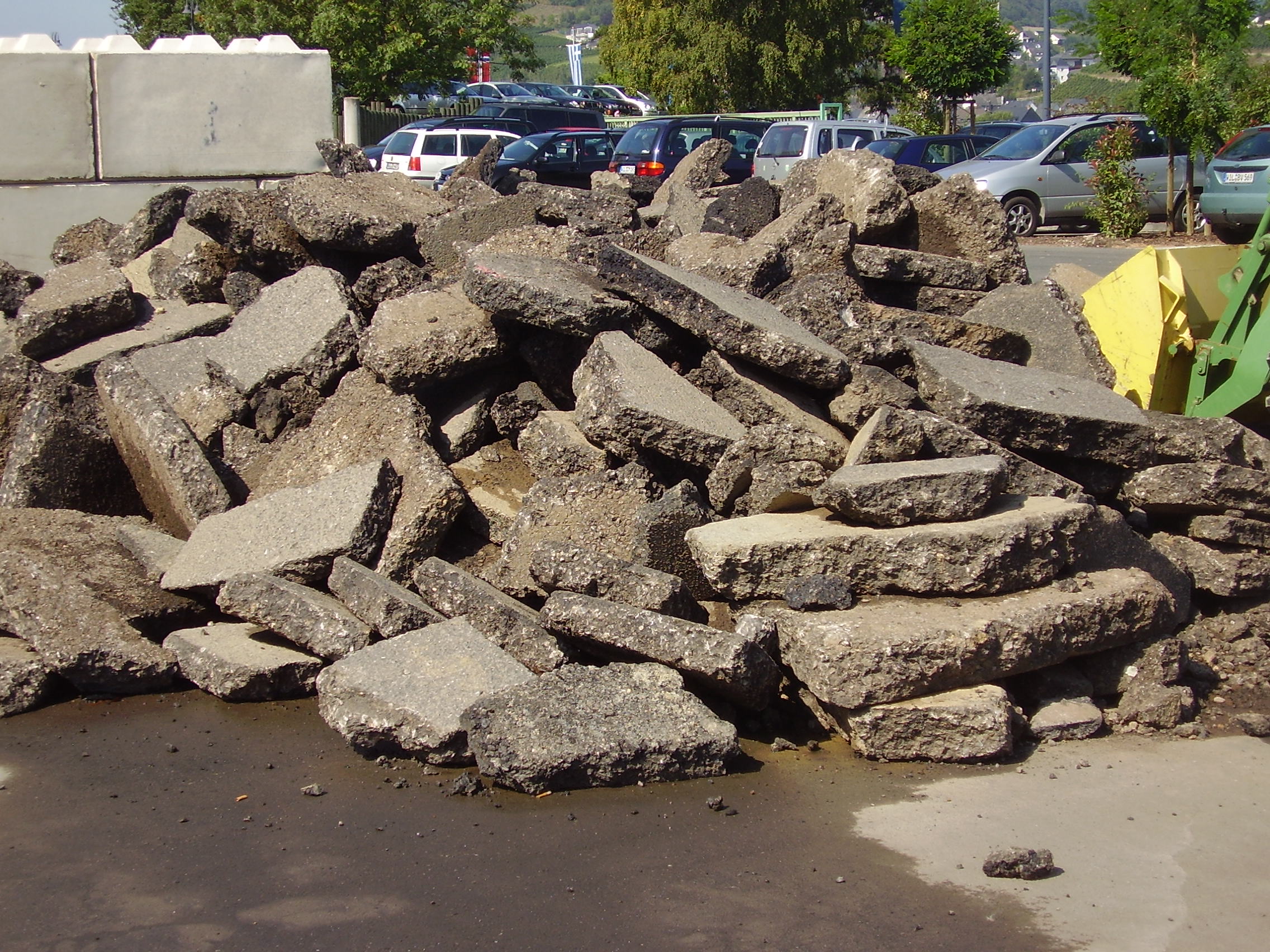
Heather Dylla, PhD, vice president of Sustainability and Innovation at Construction Partners said “Coinciding with the recent launch of the FHWA’s Low Carbon Transportation Materials Program Grants, this report emerges as a critical resource for agency engineers and asphalt mix producers. It holds the potential to foster vital discussions and collaborations across the industry, propelling us toward collective sustainability goals.” With the ambitious goal of achieving net zero GHG emissions by 2050 (articulated in the industry’s The Road Forward initiative), one objective of the report is to identify technologies and practices that can be adopted or expanded to reduce GHG emissions associated with asphalt pavements. Average use of reclaimed asphalt pavement (RAP) in the US remains around 22%, according to data published by NAPA and FHWA. But a mix with 50% RAP can reduce cradle-to-gate emissions by 29% compared to a mix without any.
The report focuses on actions companies and agencies can take to reduce GHG emissions. The intended audience includes pavement engineers, asphalt mix producers, paving contractors, policy makers, and other stakeholders ken to lower embodied carbon emissions associated with asphalt pavements. Authors identify major sources of GHG emissions throughout the life cycle of asphalt pavements, including raw material manufacturing, transportation, asphalt mixture production, pavement construction, use of pavements, maintenance and rehabilitation, and end of life.
The report outlines opportunities for asphalt mix producers and paving contractors to reduce GHG emissions. Actions to reduce emissions from asphalt mix production include improving energy efficiency, using cleaner fuels, employing recycled materials and the use of biobased materials that capture and store carbon dioxide for asphalt pavements. Improved construction practices can also extend the life of asphalt pavements, while better smoothness reduces vehicle fuel consumption and better scheduling reduces emissions from work zone congestion.
The report offers guidance on implementing pavement design considerations, specifications, and maintenance practices that prioritise sustainability. These include incentivising the use of materials with lower embodied carbon while allowing contractors to innovate and prioritise maintenance to deliver pavement smoothness and reduce vehicle fuel consumption. Authors summarise tools available to industry and agencies, such as environmental product declarations (EPDs) and life cycle assessment (LCA) software, that can help quantify GHG emissions and improved decision making.
“This report details actions asphalt mix producers and laydown contractors can take to reduce the carbon footprint of the pavements we construct while making our businesses better,” said Ron Sines, PE, vice president for Sustainability & Decarbonization at CRH Americas Materials. “It highlights the need to collaborate with owners on project designs and specifications to ensure innovations in materials and processes are employed quickly, maximising their benefits. Most importantly, the report stresses the need to consider the entire asphalt pavement life cycle to ensure the best decisions are made.”
The report’s authors – Director of Sustainable Pavements Joseph Shacat; vice president of Engineering, Research, & Technology Richard Willis, PhD; and WAP Sustainability Director of LCA Technology Ben Ciavola, PhD – emphasise the importance of collaboration between industry, agencies, and academia to advance these strategies.
They also highlight the need for further research to quantify and reduce emissions from asphalt pavements.
“This report serves as a critical resource for the asphalt pavement industry and other stakeholders in their efforts to lower emissions toward decarbonizing infrastructure,” said NAPA president & CEO Audrey Copeland, PD, PE