The twin tubes would be space 40-50m apart, with widths of 7.5m and heights of 5m. Around 28% of the alignment is in Chile and 72% in Argentina. The original plans called for Argentina providing much of the necessary financing, but the project stalled due to a shortage of funds.
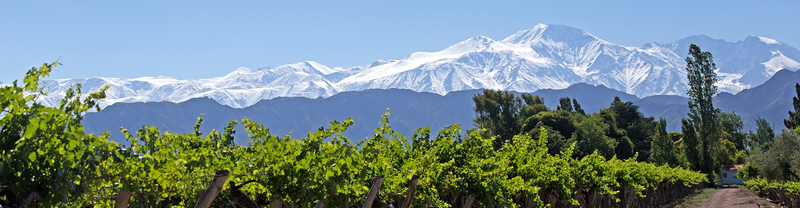
The twin tube tunnels would measure around 14km and provide a safer and more reliable transport connection than the current mountain pass, which is 4,780m above sea level at the highest point and is often blocked during winter periods.
The concept for the tunnel link dates back some years, with the first serious discussions for the project being held in 2014 and in 2018, the project was expected to cost $1.5 billion to build. However, the cost of labour and materials has increased in the intervening period and the project is likely to be considerably more expensive. Whether Argentina can raise the necessary funds remains to be seen.
The geology of the region does pose some challenges to the construction of the tunnel project. However, there is considerable engineering experience in Chile in particular with regard to tunnelling works in the conditions found in the Andes.