
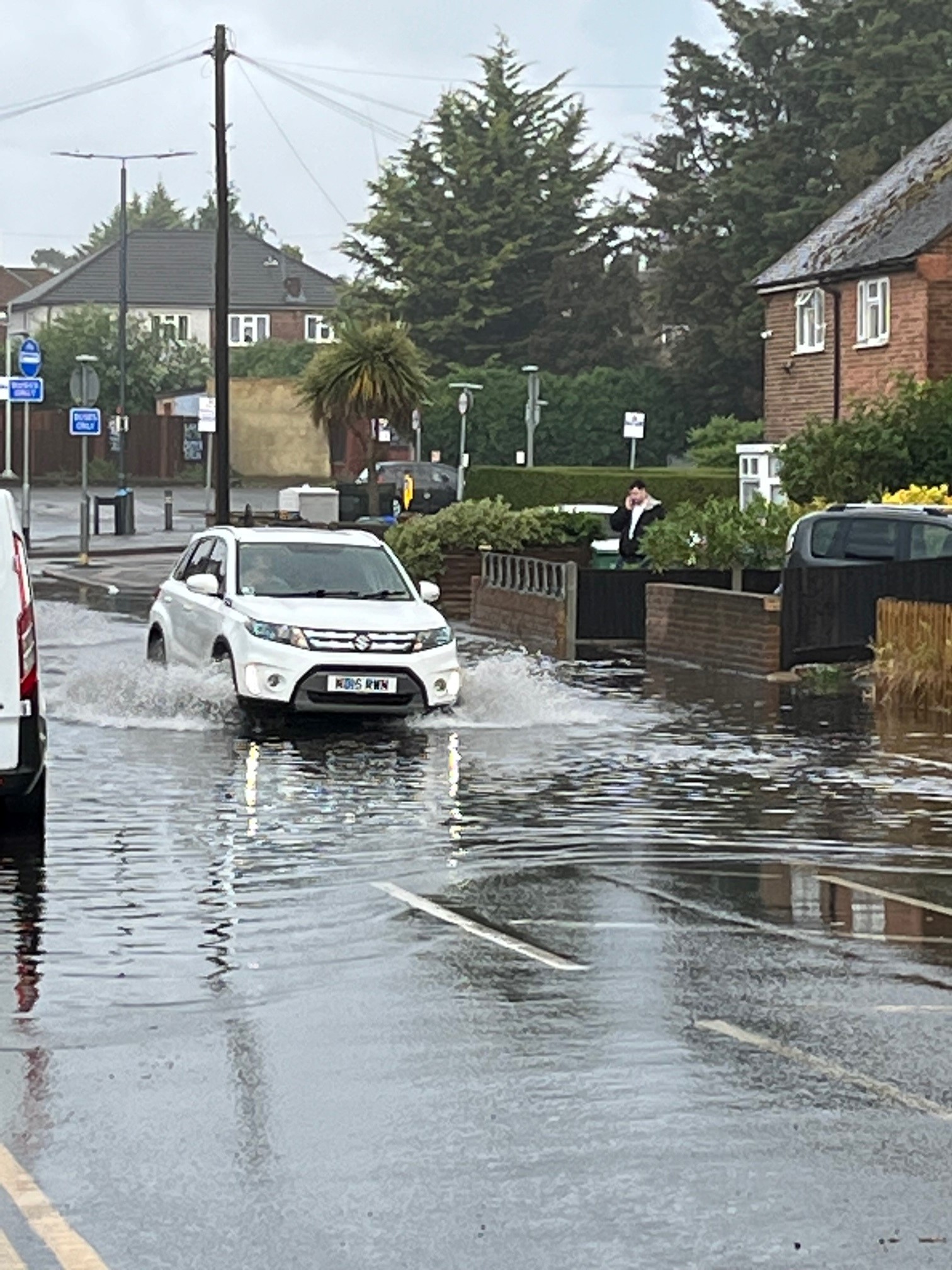
A new guide is being published in the UK that can help highway authorities adapt roads to climate change. The new guide is aimed at local highway authorities and is intended to support resilience planning across road networks as extreme weather events grow in frequency and severity.
The Local Highways Climate Adaptation Guide, published by the Association of Directors of Environment, Economy, Planning & Transport (ADEPT), is designed to help respond to the growing challenge of climate change on the UK’s highway network.
With 2025 confirmed as the hottest summer on record, the pressures on local roads are already being felt – and climate projections indicate the frequency and severity of such events will increase.
The guide covers the full spectrum of climate impacts on highway infrastructure, from severe weather events such as storms that affect road conditions over hours, to gradual long-term shifts in climate measured over years. It addresses risks to key asset categories including pavements, bridges, drainage, geotechnical assets and soft estate, and sets out a hierarchy of adaptation measures to help authorities make the most of limited budgets.
Katie Stewart, ADEPT President, said: “The record breaking temperatures, highlights the increasing pressure that extreme weather is placing on road networks that were not built for such conditions. This guide gives highway authorities the practical tools they need to plan ahead and protect the infrastructure that communities depend on every day.”
Andrew Warrington, Head of Highways Asset Management at Arcadis and coordinator of the guide, said: “This guide has been developed as a practical resource to help officers assess risk, prioritise action and build climate adaptation into day-to-day asset management and longer-term planning.”